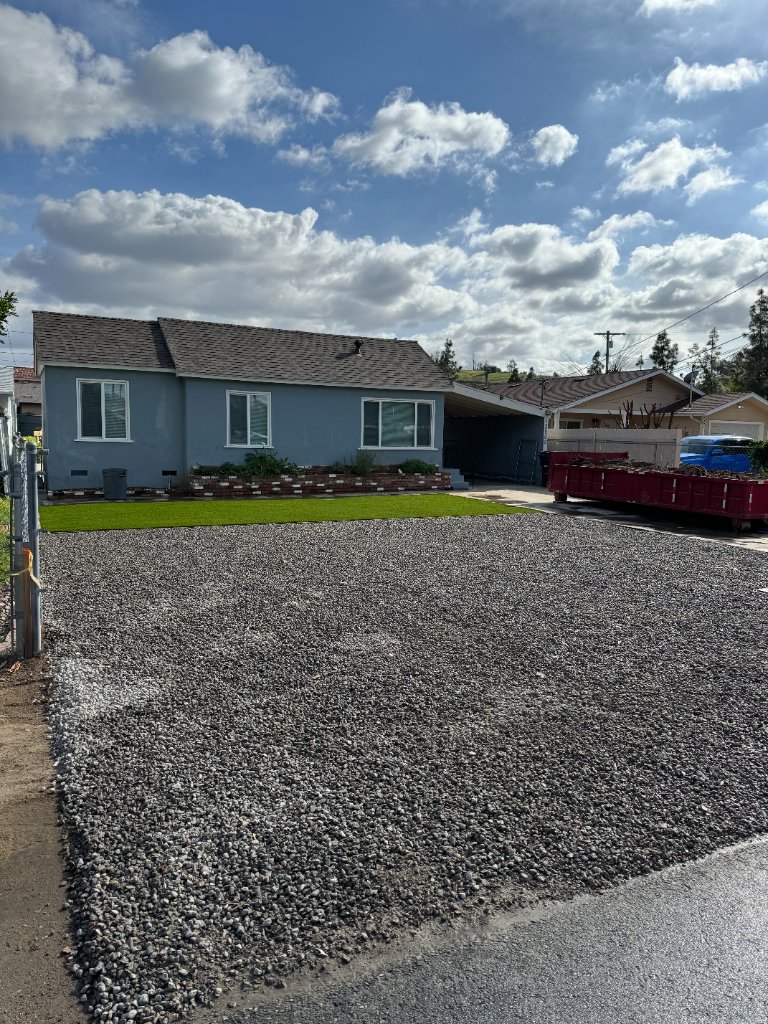
Water is the number one enemy of a home's foundation. If the ground around your house slopes toward the foundation instead of away from it, water will find its way in. Foundation grading around your house is one of the most important and most overlooked aspects of home maintenance.
What Is Foundation Grading?
Foundation grading means shaping the soil around your home so that water flows away from the structure, not toward it. The ideal slope is about one inch of drop per foot for the first six to ten feet away from the foundation. This is called a positive grade.
When the ground around your home is flat or slopes toward the foundation (a negative grade), rainwater and irrigation runoff pool against the concrete. Over time, this causes cracks, settling, and water intrusion into basements or crawl spaces.
Signs Your Foundation Grading Needs Work
- Water pools near the base of your home after rain
- Soil or mulch has washed up against the siding
- You see efflorescence (white mineral deposits) on foundation walls
- The ground near the house is spongy or saturated
- Your basement or crawl space smells musty
If you notice any of these signs, it is time to look at your foundation grading.
How to Check Your Grade
You can do a quick check yourself. Take a straight board, about eight feet long, and lay it on the ground extending away from your foundation. Put a level on top. If the bubble shows the ground sloping away from the house, you are in good shape. If it is level or sloping toward the house, you have a problem.
For a more precise assessment, a grading contractor will use professional tools to measure slope and identify low spots that need filling.
Fixing Foundation Grading Problems
If your grade is negative or flat, the fix usually involves bringing in soil and building up the area around the foundation. Here is what that process typically looks like:
- Assessment - The contractor identifies low spots and checks existing drainage
- Soil import - Clean fill dirt is brought in to build up the grade
- Grading and leveling - The soil is shaped to create a consistent slope away from the house
- Compaction - The new soil is compacted to prevent future settling
- Finish work - Topsoil, mulch, or ground cover is added to blend with landscaping
In some cases, grading alone is not enough. If water is coming from a higher elevation, you may also need a French drain or swale to intercept and redirect runoff.
Why Hire a Professional
Foundation grading is not a DIY job. Moving dirt around your home requires the right equipment and the knowledge to avoid damaging underground utilities, irrigation lines, or the foundation itself. A professional grading contractor understands soil types, compaction, and how to create a slope that lasts.
Protect Your Home's Foundation
If you suspect your foundation grading is not doing its job, do not wait for water damage to confirm it. Dirt Wurx provides foundation grading, grading and leveling, and drainage and grading services across San Diego County. Call 619.817.7941 for a free estimate.