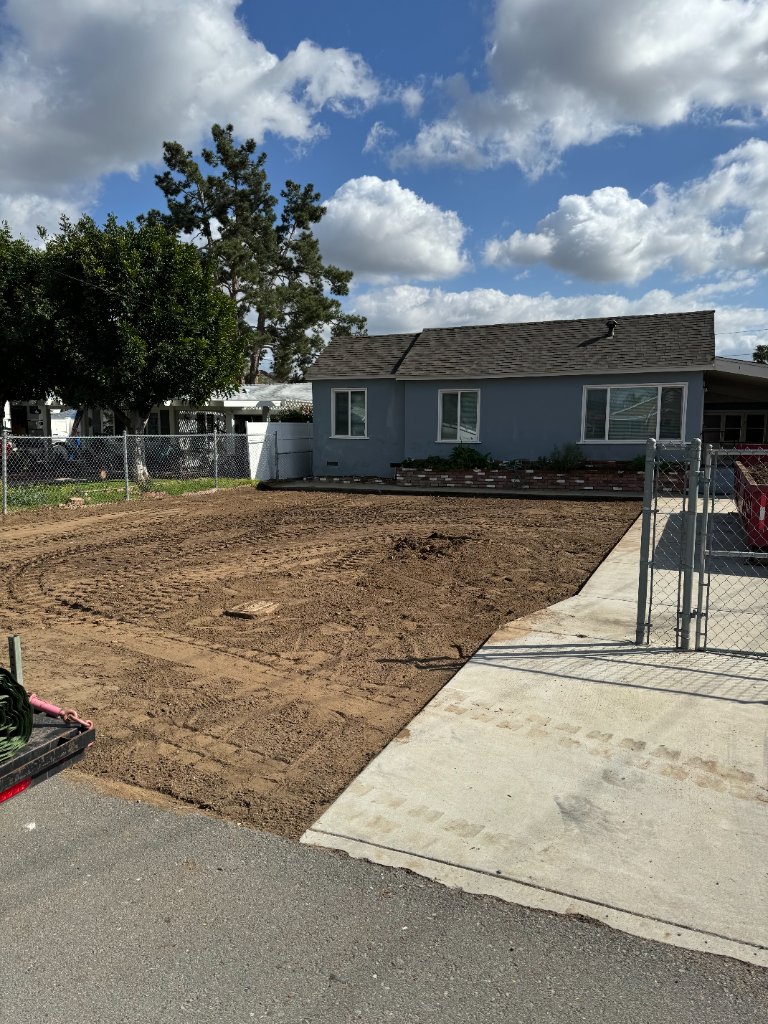
A soggy yard is more than just an inconvenience. Standing water kills grass, attracts mosquitoes, erodes soil, and can eventually damage your home's foundation. If your yard turns into a swamp every time it rains, French drains and drainage rock may be the solution you need.
What Is a French Drain?
A French drain is a trench filled with gravel or drainage rock and containing a perforated pipe. It collects water from the surrounding soil and channels it away from problem areas. French drains are one of the most effective and long-lasting drainage solutions for residential properties.
French drains work by:
- Collecting surface and subsurface water through perforations in the pipe
- Allowing water to flow through the drainage rock and into the pipe
- Channeling water to a safe discharge point, like a storm drain or dry well
Where French Drains Help
French drains are versatile. They can solve a wide range of drainage problems:
- Water pooling near the foundation
- Soggy or saturated lawns
- Water running from a neighbor's property onto yours
- Hillside seepage and erosion
- Wet basements or crawl spaces
- Standing water in low spots
If you have any of these issues, French drains combined with proper drainage and grading services can transform your yard from a swamp to a usable space.
The Role of Drainage Rock
Drainage rock is the gravel that surrounds the perforated pipe in a French drain. It serves two purposes: it allows water to flow freely into the pipe, and it filters out sediment that could clog the system.
Not all rock is created equal. The best drainage rock is:
- Clean and angular - Crushed rock with sharp edges locks together better than rounded river rock
- Uniformly sized - Typically 3/4 inch to 1.5 inches in diameter
- Free of fines - Dust and small particles reduce drainage capacity
Using the wrong type of rock is a common reason French drains fail prematurely. A drainage contractor will know what rock works best for your soil conditions.
Installation Process
Installing a French drain involves several steps:
- Assessment - Identify where water is coming from and where it needs to go
- Planning the route - The drain needs a clear path to a discharge point with proper slope
- Trenching - Digging a trench, typically 18 to 24 inches deep
- Laying rock and pipe - Adding drainage rock, placing the perforated pipe, and covering with more rock
- Filter fabric - Wrapping the drain in landscape fabric to prevent soil from clogging the rock
- Backfilling and finishing - Covering with soil, sod, or gravel depending on the location
French Drains vs. Surface Drains
French drains handle subsurface water, meaning water that is already in the soil. Surface drains, like catch basins and channel drains, handle water flowing across the ground. Many drainage problems require both. A drainage and grading contractor will assess your property and recommend the right combination.
Signs You Need a French Drain
- Water stands in your yard for more than a day after rain
- Your basement or crawl space is damp
- Soil near the foundation is constantly wet
- You see erosion channels forming in your yard
- Water flows from a higher neighboring property onto yours
Get Professional Drainage Help
French drains and drainage rock are not a DIY project. Getting the slope, depth, and rock type wrong means the drain will not work or will fail quickly. Dirt Wurx installs French drains and provides drainage and grading services across San Diego County. Call 619.817.7941 for a free estimate.